North Ridge Doesn't Keep Score, and It Shows
Charles Alexander Jr. named his hillside mansion after a mountain in what is now Turkey, a peak the ancients associated with the Great Mother of the Gods. Mount Ida stood at what became 2404 Russell Road, built in the early 1800s by a sixth-generation descendant of the man Alexandria itself is named for, and the choice was not an accident. It was a claim to grandeur, planted on the highest ground in what would eventually become North Ridge.
The neighborhood that grew up around that hillside never fully accepted the assignment. Its two founding land grabs were unglamorous municipal paperwork: a 1915 annexation from Fairfax County that ran from Hooff's Run northeast to Braddock Road, and a 1930 annexation from Arlington County that pulled in the rest. A decade after that second annexation, neighborhood kids started decorating their bikes for a parade down the street, and eighty-some years later, that parade is still the thing North Ridge is actually known for, not the mansion, not the myth. If you want to understand what holds this neighborhood together, start with the parade that refuses to name a winner and the park named after a hole in the ground.
Wheel Day has run every Memorial Day weekend since the 1940s, sponsored the whole time by the North Ridge Citizens' Association. A 2025 account in The Zebra marked its 75th-plus year: kids and a few adults on rollerblades, scooters, strollers, even a medical scooter, moving two blocks down N. Overlook Drive toward a finish line marked by a giant American flag, an Alexandria Fire Department truck pacing the whole procession at a walk.
The structure of the day is the interesting part. There is no ribbon for fastest anything. The only rule participants recite together before the parade starts is "do not pass the ribbon," the one tied to the back of the fire truck. Awards go to spirit and creativity instead of speed. That is a distinctive tradition North Ridge has protected for eight decades.
The same names keep showing up in the volunteer roles that make this possible. Tom Tyler has emceed as "Grand Pubah" for twenty years running. Jeanne Snapp has served as Ribbon Wrangler for decades. The 2025 edition was co-chaired by Angie Mistretta and Sarah Holley.
That is not a tradition run by a parks department or a developer's amenity budget. It is a handful of neighbors, some of them doing this for twenty years, keeping a low-stakes ritual alive because the neighborhood decided a long time ago that it mattered more than trophies did.
Two blocks from the Wheel Day route sits Beverley Park, and almost nobody in North Ridge calls it that. It is The Pit, and the nickname is not branding. The city's own survey of the neighborhood's natural areas describes the site plainly as a former gravel operation: an abandoned gravel pit with a sandlot playground built at the floor of the pit itself, according to Alexandria's Remnant Natural Areas documentation. The neighborhood renovated the park in 2017, adding the climbing structures and shaded seating that make it a daily gathering spot now, a detail confirmed in a 2021 neighborhood profile from ALXnow. But nobody renamed it. The industrial history stayed attached to the park's identity instead of getting sanded off into something that photographs better for a listing.
That same city survey turns up something most residents walking their kids to the playground probably don't know: the rim of that old gravel pit is the only place in Alexandria where a naturally occurring hybrid oak, Quercus x incomita, has been documented. The open grassy floor of the pit is also the city's only known location for Reflexed Sedge. A patch of ground the neighborhood once used for gravel extraction turned out, once left alone, to be the single rarest square footage in the city. Two blocks over, Monticello Park does similar quiet work, a spring-fed stream and old-growth canopy that draws birders for the neighborhood's warbler diversity, the kind of nature park that stays a nature park instead of becoming a manicured lawn with a fountain.
North Ridge had two chances to clean this up into something that sounds nicer on a sign. It didn't take either one.
Wheel Day and The Pit are the two pieces of North Ridge's civic life that get written up. The rest of the calendar runs quietly through the North Ridge Citizens' Association, a volunteer board elected annually and funded by twenty dollars a household. The association's standing list of initiatives includes:
National Night Out lands nationally on the first Tuesday in August, which put this year's gathering on August 4, nine days before this piece went up. The association's regular monthly meetings, held the second Monday of every month, take July and August off entirely, leaving the summer slot to the block party instead of a business meeting. The Holiday Tree Sale is still months out, which means the calendar this piece is describing isn't a museum piece. It's mid-cycle.
None of this runs on a marketing budget. It runs on the same small group of people who show up to Trinity United Methodist Church on Cameron Mills Road for the annual meeting, the same handful of names attached to Wheel Day for twenty years at a stretch, the same volunteer board renewing itself one election at a time. That is a different kind of neighborhood infrastructure than a homeowners' association enforcing paint colors or a developer maintaining a clubhouse. It's closer to a habit the neighborhood has kept because enough individual people decided, year after year, that keeping it was worth their time.
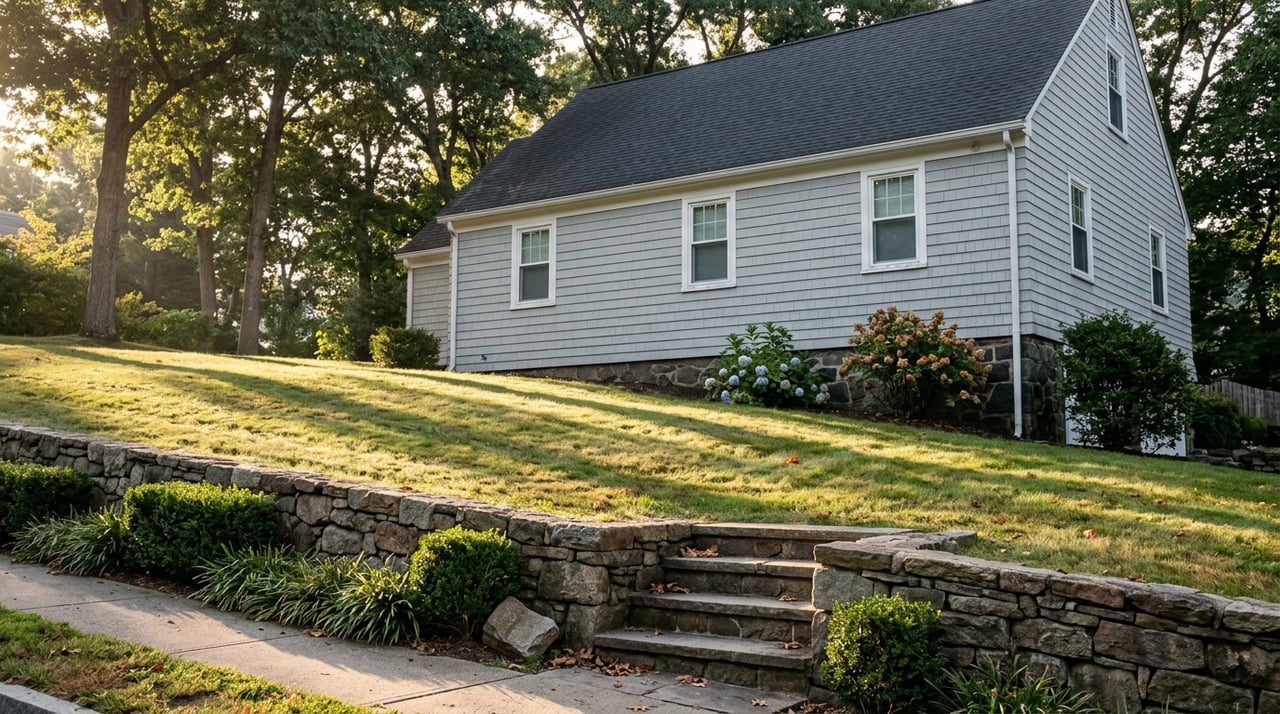
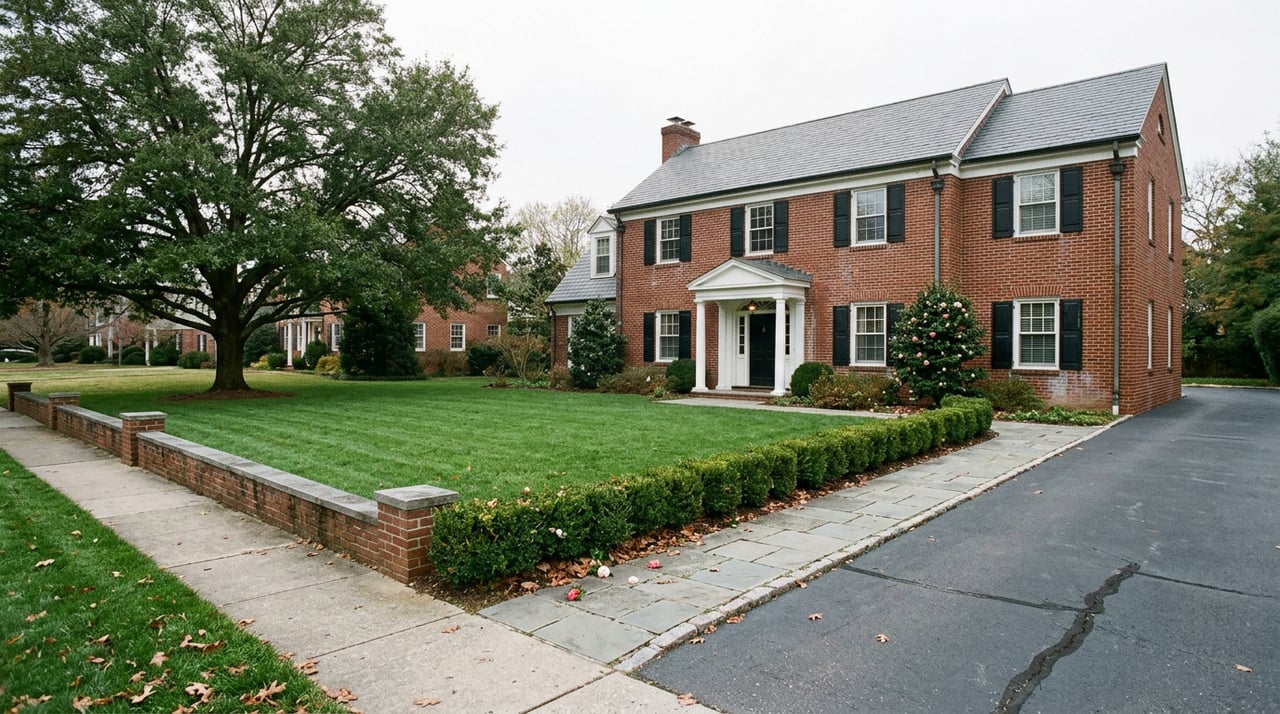
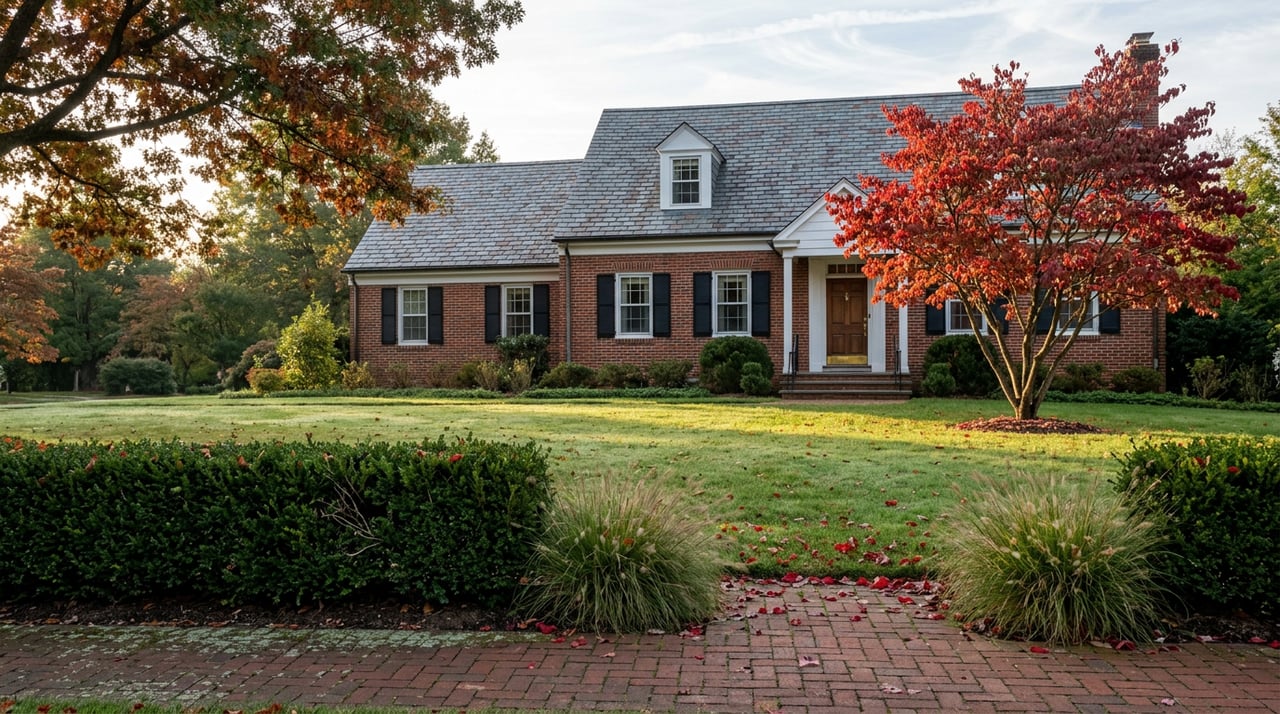
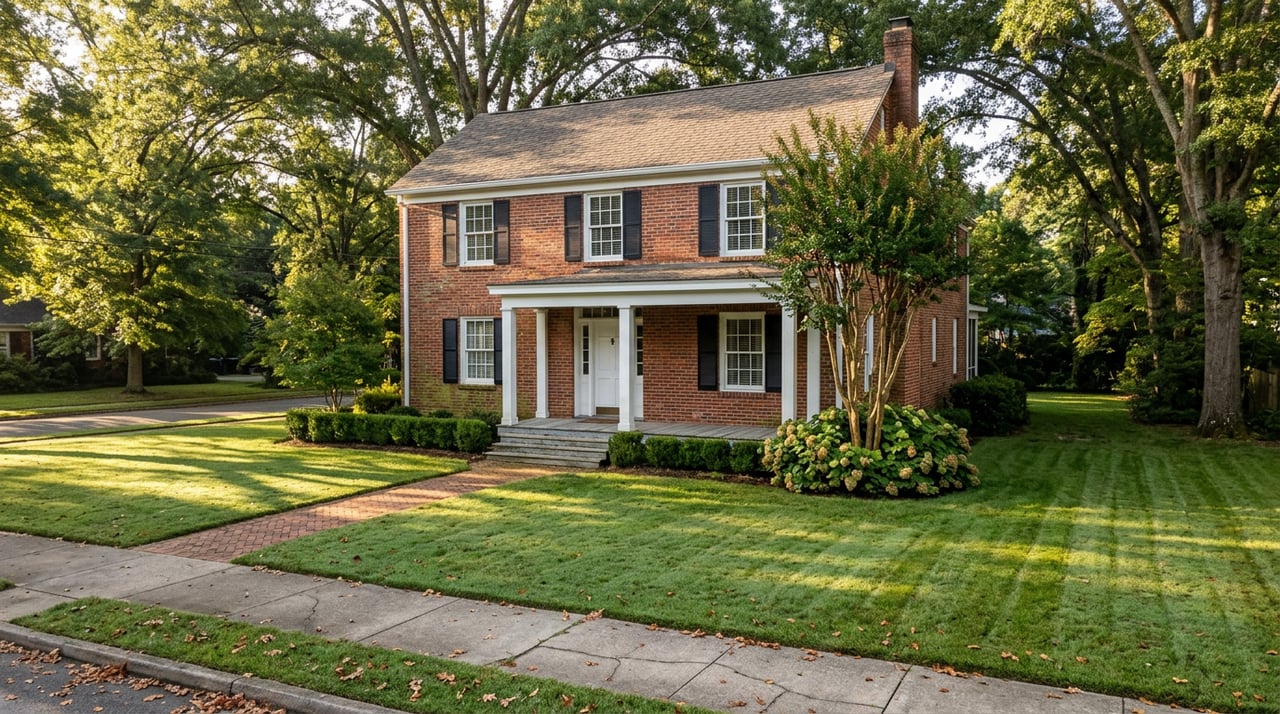
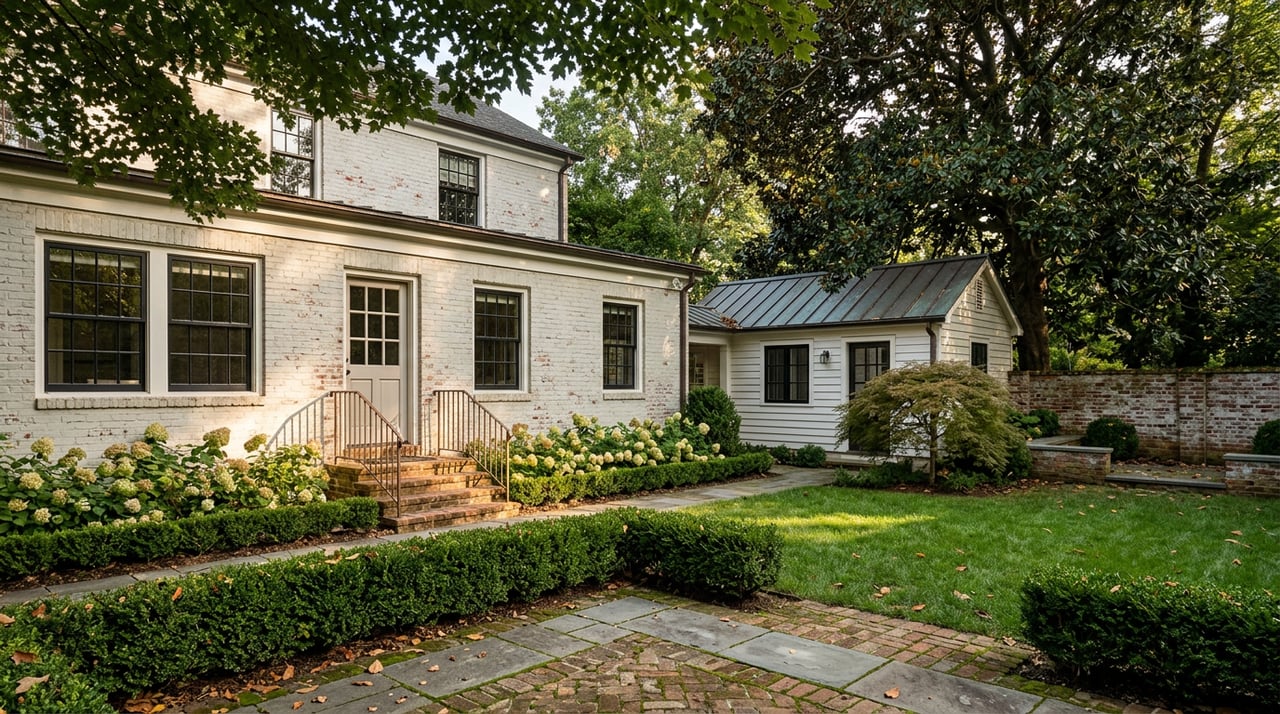
A house-hunter skimming North Ridge from a listing photo sees hills, mature trees, Cape Cods and Colonials from the 1930s and 1940s, and a short drive to Del Ray or Old Town. None of that tells you why the neighborhood feels the way it does once you've lived here through a few Memorial Day weekends. The feel comes from smaller things: a parade that has never once handed out a trophy for speed, a playground everyone still calls by its old industrial nickname, a patch of ground rare enough to hold the only oak hybrid in the city, kept exactly as un-groomed as it was found.
Mount Ida's builder wanted the hillside to suggest something mythic. What actually took root there was smaller and stubborn instead, a neighborhood that has had eighty years to dress up its own traditions and has consistently chosen not to.
If you're already living this rhythm in North Ridge, or you're weighing a move into a neighborhood that runs on this kind of quiet continuity, Christina "Nina" Berkowitz knows these streets from the inside. Let's Connect.
Nina is chosen for her strategic approach, strong negotiation skills, and ability to navigate complex transactions with clarity and confidence. Her corporate sales background gives her an edge in pricing strategy, contract execution, and client advocacy. She serves Fort Hunt and surrounding Northern Virginia, delivering stronger outcomes at every stage of the process.

Christina "Nina" Berkowitz
109 S PITT ST ALEXANDRIA, VA 22314